
Wainuiomata River - a listed Water of National Importance
14 August 2019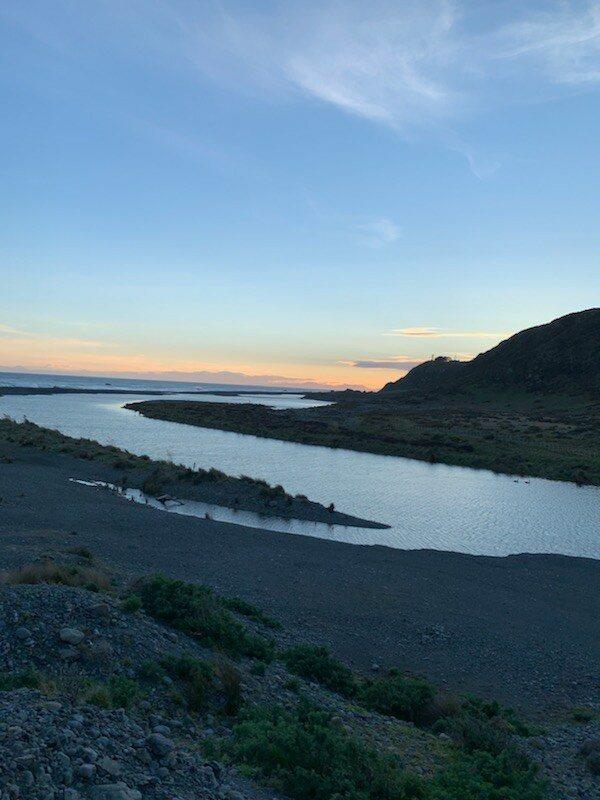
The Wainuiomata River is a listed Water of National Importance. The river winds its way through the valley and ends in a lagoon. The lower river and its wetlands cover 60 hectares of spectacular wild terrain.
Wainuiomata River contains many species of native fish that have a “declining” status including the long finned eel, inanga (whitebait), lamprey, giant and red fin bully and giant kokopu.
Birds living in the area include the nationally threatened grey duck, the uncommon black shag, and the black swan and paradise shelduck. There is also a freshwater mussel population.
Greater Wellington Regional Council and Friends of Baring Head are working hard to restore the lower area of the Wainuiomata River and support its exceptional ecological values and help its many threatened species to thrive.
The river is unique in the region because it is fully connected to its flood plain and tributaries. There are no dams or catchment works which disrupt its flow.
However, historic deforestation and grazing have resulted in shading loss, bank erosion and loss of river edge habitat. Fish spawning sites and mussel habitat have also been negatively affected by sediment.
The river is impacted by upstream changes, which have altered overall hydrology (e.g. frequency and size of floods) and water quality.
Guess what else is upstream? Lower Hutt City Council's Wainuiomata Cleanfill.
*Credit to Friends of Baring Head for much of this information