Jitesh's Big Dream
30 September 2026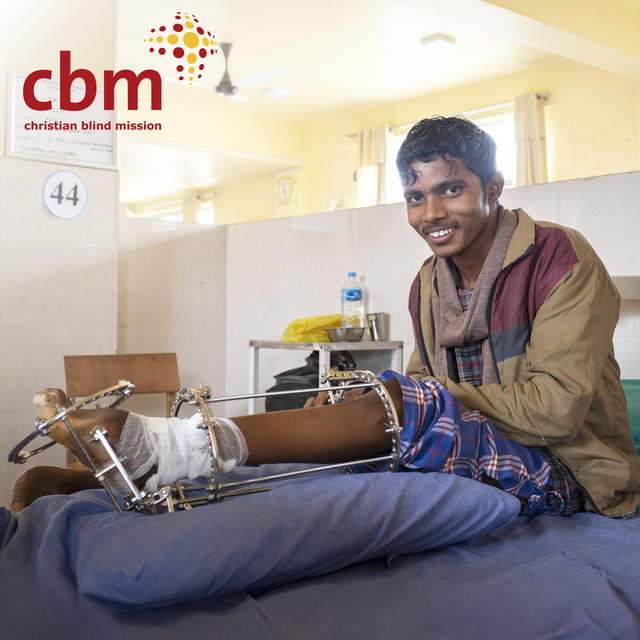
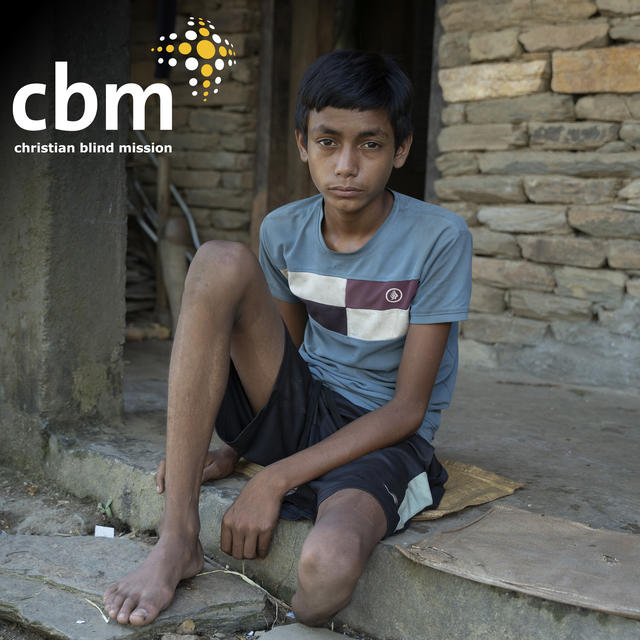
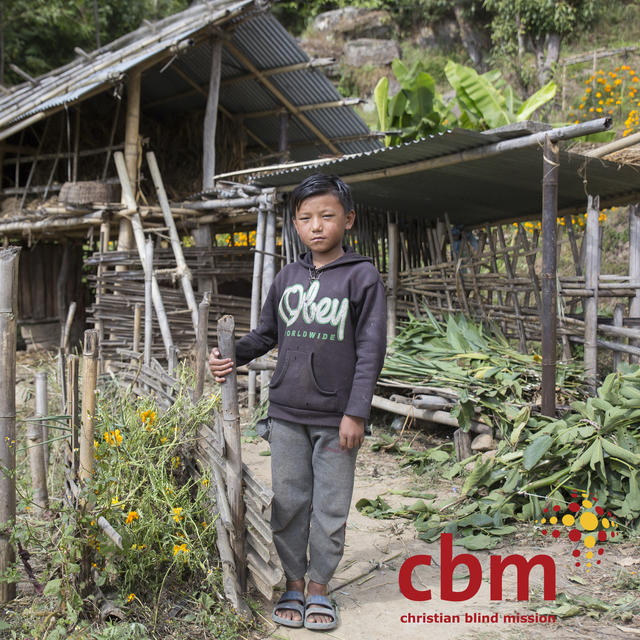
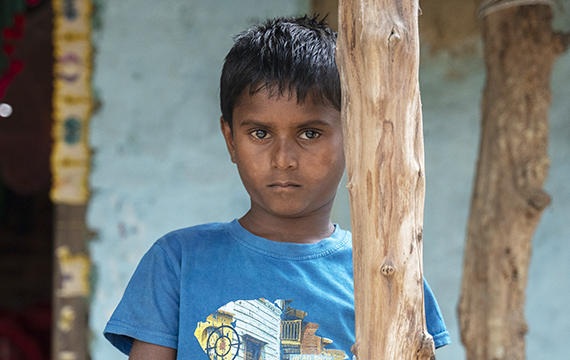
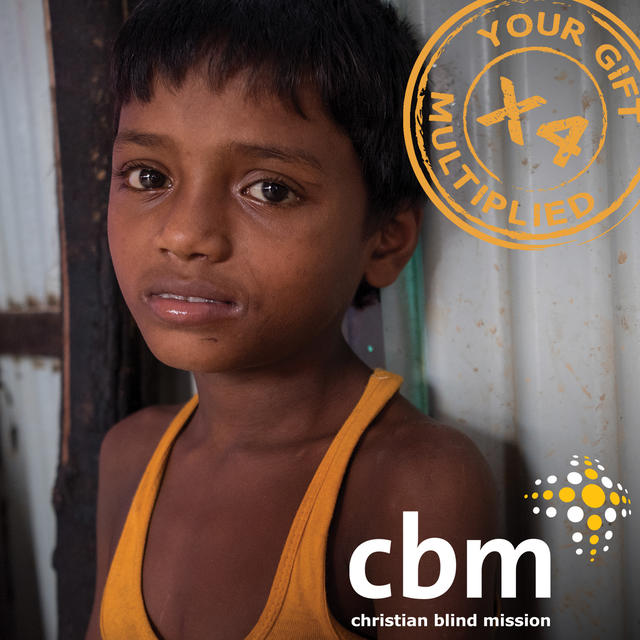
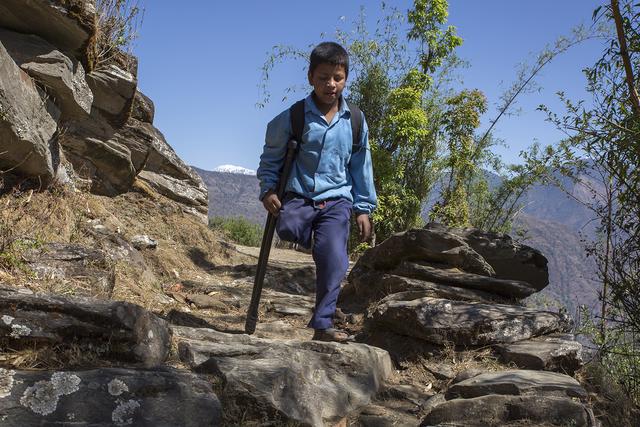
Sixteen-year-old Jitesh has a dream. He wants to become an engineer.
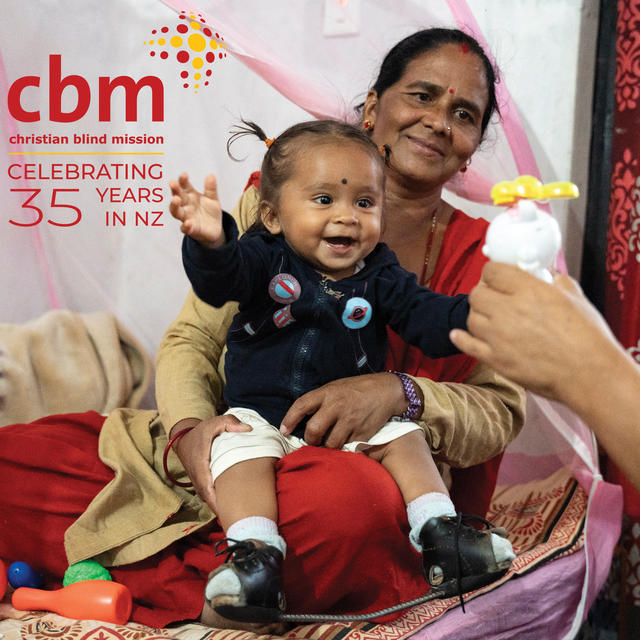
He loves science, cricket, and works hard at school. But Jitesh was born with severe clubfoot affecting both feet, making walking, getting around school, and joining his friends incredibly difficult.
He has even endured cruel comments because of his disability.
“I feel sad when they make fun of me,” Jitesh says.
But poverty should never be the reason a young person is denied the treatment that could transform their future.
Your kindness can help change that.
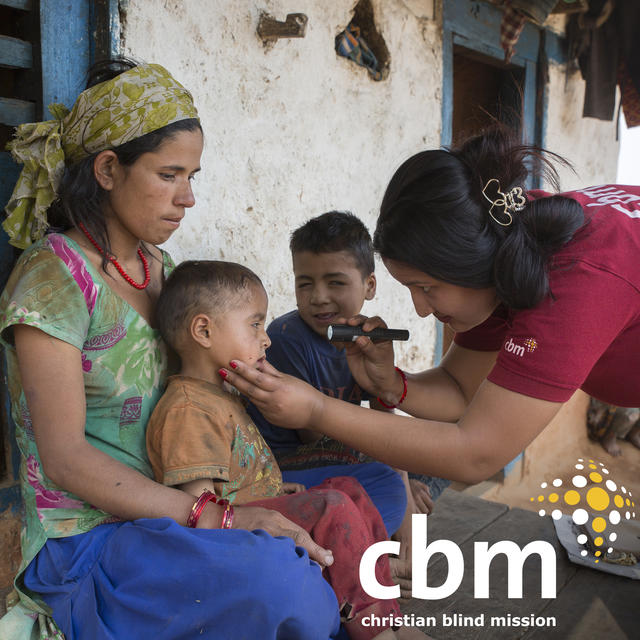
Your gift can help young people like Jitesh in Nepal access life-changing surgery and rehabilitation their families could never afford alone.
0 comments
|
Login to leave a comment