
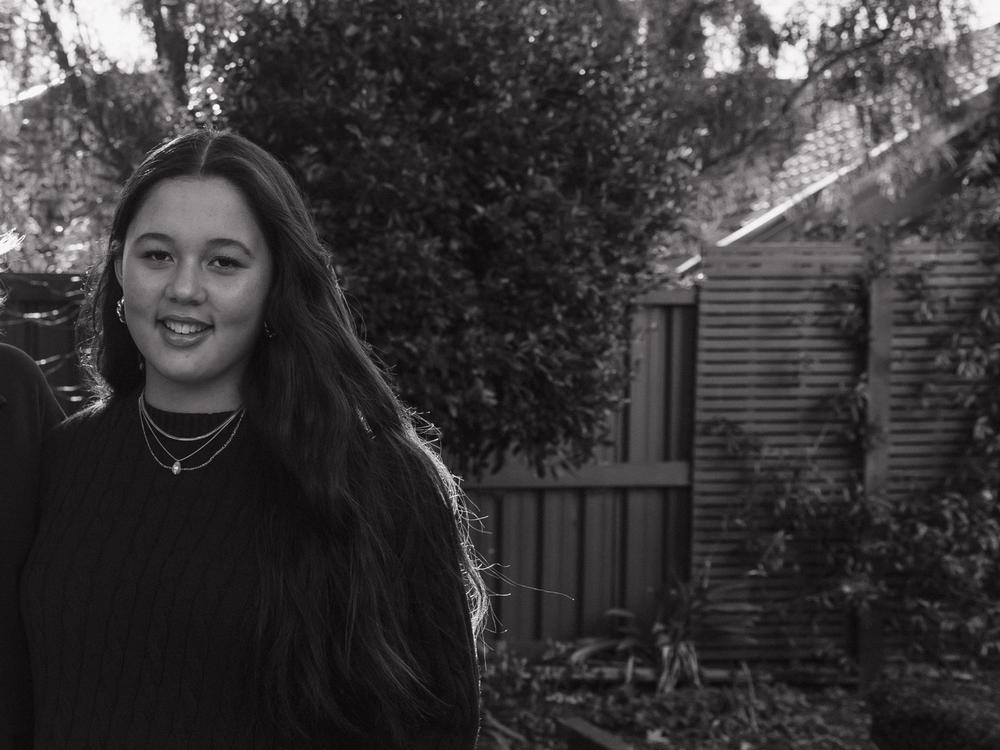
Giving Amelia her world back with Sammy the Service Dog
A complex neurological condition has changed 14-year-old Amelia's world since 2024. Service dog Sammy will give her some of her life back.
Palmerston North, Manawatu-Wanganui
Looking into your child’s eyes and not being recognised is something I wouldn’t wish on anyone. Seeing fear in those same eyes is something that never leaves you.
This has been our reality with our daughter Amelia (14).
Before becoming unwell, Amelia was a happy, sporty, social teenager. Just before her 13th birthday, she collapsed during a game of netball. That was the start of a complex neurological condition that took away her memory, her independence, and her everyday life.
Amelia’s brain sends the wrong signals. She loses consciousness every few days and when she wakes, she is disoriented with profound memory loss. She doesn’t know who we are or where she is. She describes it as waking up in a world she doesn’t recognise, without knowing where she has come from.
At times she cannot speak and experiences a wide range of debilitating symptoms; including losing the ability to read and write, her limbs not responding, pain and fatigue.
Through extraordinary determination, Amelia has regained many skills. However her condition still has a significant impact on her independence and quality of life and she has a very long road ahead of her.
Amelia has now been matched with service dog, Sammy, through Pawsible Service Dogs.
Sammy will be trained to stay with Amelia when she loses consciousness, keep her calm when she's disoriented and alert for help. He will provide constant safety, recognition of her invisible disability, give her confidence and provide her with a link to the world.
Lizi Guest's involvement (page creator)
I am Amelia's mum, and funds raised will go into a bank account for Sammy's training through Pawsible Service Dogs and his long-term care costs.
Use of funds
All money raised will go to Pawsible Service Dogs for Sammy's specialised training, alongside money for his long-term care. We've been lucky to have Pawsible fund 50% of Sammy's training cost thanks to the support of their funders, we're raising the rest.
Other page links
Latest update
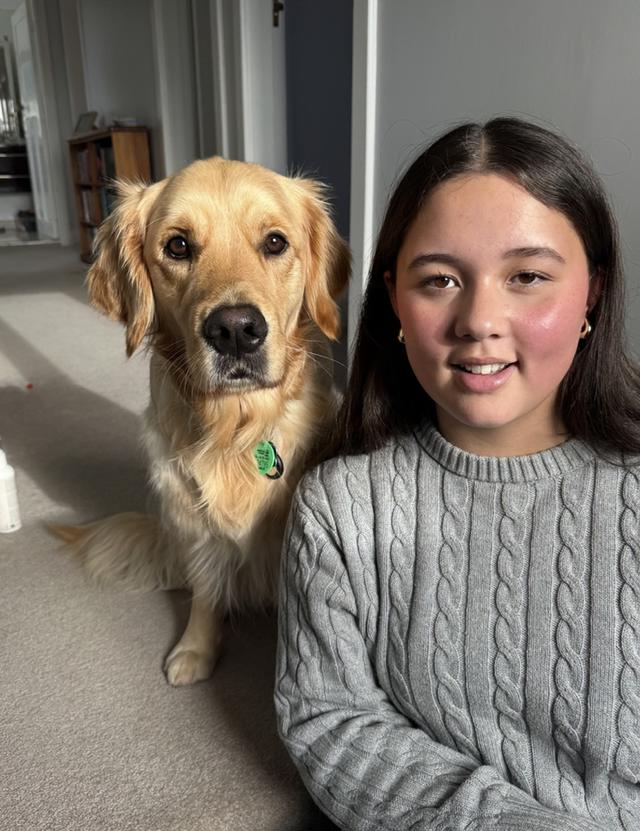
Sammy has arrived :) 2 August 2026
Last week, thanks to all of your support, Sammy arrived for his permanent placement with Amelia.
The next few weeks are about finalising his training with Pawsible Service Dogs, and training us all to be handlers.
As parents, there aren't words for what it means to watch Amelia's little shadow follow her everywhere, and see her do more and more normal teenage things without us hovering. She's stepped straight up to the responsibilities of dog ownership - including the aftermath of a tummy upset...
Amelia's also recently been diagnosed with POTS, a signalling issue that sends her heart rate incredibly high and means she often has to sit down to bring it back to normal. As a young person, she's very aware of people trying to work out why she's sitting down when others are standing. Sammy's "Medical Service Dog" jacket makes it clear something else is going on.
She's been able to catching the bus into town to see friends with Sammy rather than us having to drop her off, and we don't have to be uncool and tell her friends what to do in an emergency because it's all carried in Sammy's jacket. She is already so much more independent.
Thank you to everyone who has shared, commented, read her story or donated. Having Sammy is one thing, but to feel the support of so many people is an unexpected and very welcome sense of community after such a hard experience. We're committed to paying this forward, so more people get this same life-changing opportunity as Amelia has with Sammy.
Latest donations


Wow - we are absolutely speechless. Thank you so much, we will make sure we pay this forward as much as we can.

Who's involved?
Page Q&A
Ask a question hereAny concerns?
Report this pageThank the donor
Your message will be displayed on the page and emailed to the donor.
Your new message will also be emailed to the donor.
Saving a blank entry will delete the current comment.