
Improving worker housing on Tea Plantations in Sri Lanka
Raising funds to repair worker housing - Redesigning in the Sri Lankan vernacular can liberate/ move away from current colonial typology.
Auckland
BACKGROUND -
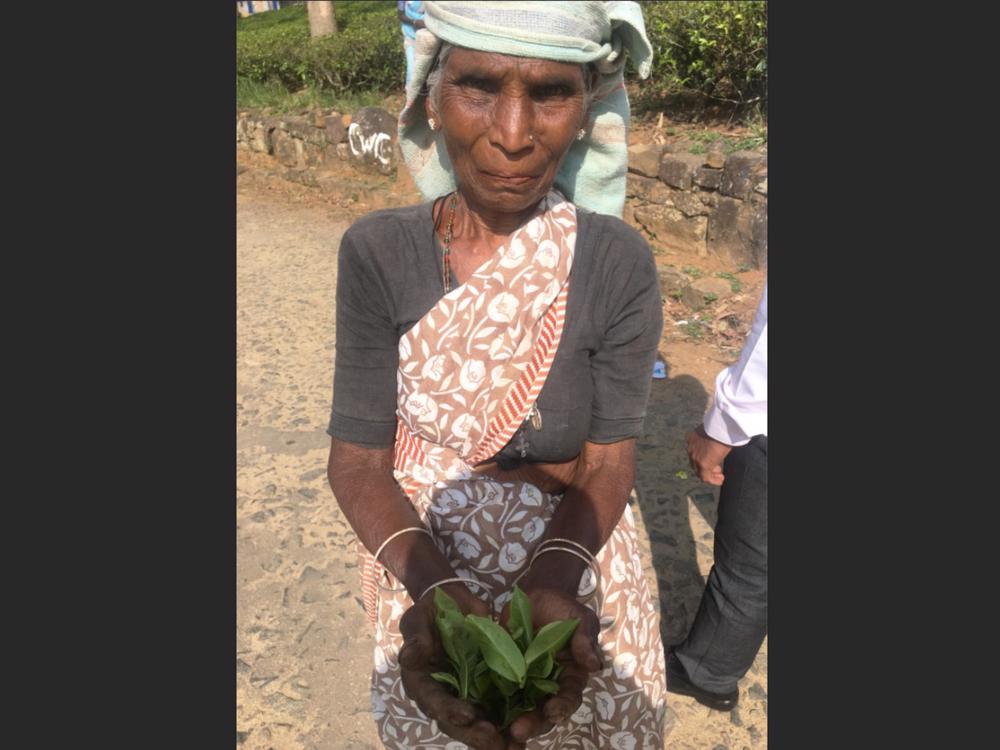
Sri Lanka (formerly known as Ceylon) is one of the few places where tea is still being picked by hand. Plantation owners continue to make a strong case for this ongoing traditional method as machine harvesting often collects twigs, which can taint the tea's distinct flavour.
The Sri Lankan tea industry became a major part of the countries economy as it gained international traction. This led to the redevelopment of a new social and economic structure within Sri Lanka. For the past century, tea has been the country's biggest provider of export earnings - tea brands such as Dilmah, Bell and Lipton have all become household names (even here in New Zealand). Tea employs over one million people in Sri Lanka. The Tea industry brought in revenue circa US $1.5 billion in 2013 to the economy of Sri Lanka. It is through this way that tea has played an extremely significant role in Sri Lanka's post-colonial history.
However, this success does not reflect the conditions in which workers are currently housed....
LINE HOUSING -
Tea plantation workers currently live in a housing scheme known as 'Line Housing.'
Line Houses was derived from the British row housing scheme established in the late 1800s.
This became the blueprint for housing plantation workers to maximise worker occupancy during British Ceylon rule (1920s). Tea bushes are planted in lines coordinated with the contours of the land, this commonly occurs in the Central Highlands surrounding the hilly region of Nuwara Eliya. The humidity, cool temperature, and relative rainfall of the central highlands provide a climate that favours the production of higher-quality tea.
BLUEFIELD TEA PLANTATION -
Bluefield Tea Plantation is located in the small village of Ramboda. The Tea estate is located within the Central Province (famous for its production of Ceylon tea). The line housing situated on-site at Bluefield tea plantation has changed very little since they were originally built in the 1920's.
The floor of the line rooms were traditionally hardened with a mixture of mud combined with cow dung. Damaged corrugated roofing within inadequate internal spaces allowed for little to no natural lighting - which in turn makes living spaces for workers including children of the workers very gloomy, dismal and extremely unhealthy. Bad dwelling conditions are some of the ongoing difficulties faced by the workers, for which no remedy or alternative has been sought.
THE DESIGN SOLUTION -
We believe that through architectural intervention we can positively affect the tea plantation workers and children of the Ramboda village. The built design should ultimately be a way forward for the people living in the village, as their labour intensive work is what keeps the plantation sector running smoothly - The design will move away from the outdated line housing scheme, significantly improving the current living and working conditions of this plantation community.
The existing line house design shows little attention to critical factors such as; sufficient living space, ventilation, overcrowding, light and local building traditions. The new design solution will provide healthier housing that is more suited to the Sri Lankan climatic conditions - with a design that is low cost and can be done with minimal engineering, primarily of which are processes of unskilled labour.
We hope that through this design process, it will bring attention to problems that occur on other plantation sites throughout Sri Lanka, and how applied design principles may help improve the current living conditions. These plantation workers are the backbone of the tea trade within Sri Lanka and deserve a much better standard of living.
This project is currently in the design phase - a team member will be traveling to the site in April to flesh out site-specific details, construction techniques, and potential political implications.
WHO WE ARE -
We are a small independent collective of passionate and devoted designers who are interested in social architecture. This is our opportunity to change the lives of a vulnerable community, understand how they live, and design architecture that benefits their way of living.
This project is very close to home for a member of our team Dimitri Heshan Thamel, who is undertaking a Masters of Architecture (Professional) at Unitec Insititute of Technology. His research project - "thē bonəva" (to drink tea), addresses problems currently faced by tea plantation workers in Ramboda.
We will be spending the year refining the design, asking questions, and preparing for the build circa 2021. We would love any help or support - and appreciate your contribution and concern to this cause.
Thank you for taking the time to read this!
If you want to learn more please follow our journey and find updates on instagram - @studiominisu
Feel free to contact us regarding any queries or if you have any advice to offer, via email - studiominisu@gmail.com
Use of funds
Funds will be spent on building material, labour costs, and new fixtures and furniture for the plantation workers. The project will be run by our team (studio minisu) and constructed by a group of volunteers (us).

Latest donations


Who's involved?

Page Q&A
Ask a question hereAny concerns?
Report this pageThank the donor
Your message will be displayed on the page and emailed to the donor.
Your new message will also be emailed to the donor.
Saving a blank entry will delete the current comment.