

Friends of Burns Reserve Trust
Friends of Burns Reserve Trust invites donations for removal of invasive vegetation from Gerry's Rock in Burns Park Scenic Reserve.
Dunedin, Otago
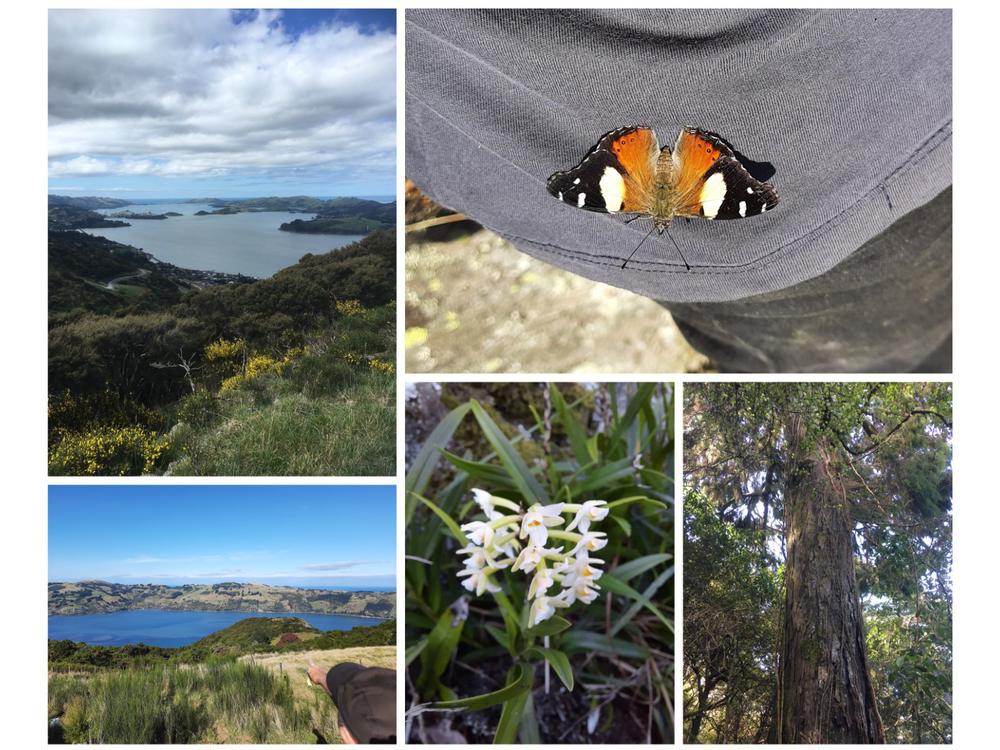
Help us restore and protect a “hidden gem” – Burns Park Scenic Reserve, Dunedin
Friends of Burns Reserve Trust – chaired by Jim McQuillan – seeks your donations for environmental projects in Dunedin's Burns Park Scenic Reserve (‘Burns Reserve’). Burns Reserve has suffered from neglect over more than a century and it is now time for that to change. The Trust’s most urgent project is to facilitate the targeted removal of harmful invasive vegetation from within Burns Reserve.
Burns Reserve is an 87 hectare public reserve that stretches across Dunedin’s Signal Hill, overlooking Ravensbourne through to St Leonards. It contains remnants of coastal podocarp forest which once clothed the harbourside hills and is an important bird corridor aiding the return of the South Island Robin to the city. A magnificent view of Otago Harbour is obtained from the summit of Gerry's Rock. However, Burns Reserve is almost unknown to the public – despite being close to central Dunedin and despite its attractive features that the public are entitled to access and enjoy. There are many mature rimu, miro and totara trees as well as a wonderful native orchid grove. Read more in https://www.odt.co.nz/lifestyle/magazine/forgotten-wilderness.
In November 2023 the Trust signed a 5-year Community Agreement with the Department of Conservation to carry out targeted removal of invasive vegetation from within Burns Reserve. Donations will mainly pay for herbicide gel used in this environmental restoration.
More about us
Friends of Burns Reserve Trust aims to be the non-profit guardian of Burns Park Scenic Reserve, an 87 ha Department of Conservation scenic reserve across Dunedin's Signal Hill and above the West Harbour suburbs of Ravensbourne, Burkes, Maia and St Leonards
Latest update
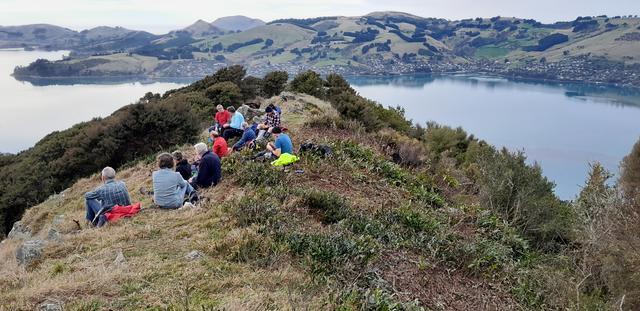
Burns reserve progress 27 January 2026
Regular work parties through 2025 have significantly reduced the invasive weeds around Gerry's Rock. This means our supply of herbicide gel for the barberry needs replenishing. Thanks to all our volunteers who help with the work on the ground. If you can contribute to our costs that would be much appreciated!
Work days our posted on our website burnsreserve.nz
Latest donations


Who's involved?
Fundraise
Page Q&A
Ask a question hereAny concerns?
Report this pageThank the donor
Your message will be displayed on the page and emailed to the donor.
Your new message will also be emailed to the donor.
Saving a blank entry will delete the current comment.