
Educational Resources - Rural Zambia
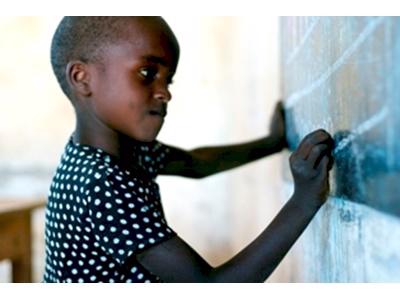
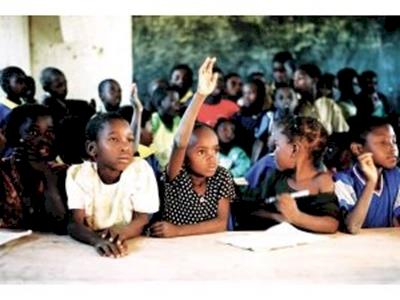
Children in Zambia seek to get an education despite having to sit on the floor and having very few resources.
Nationwide
To improve the quality of education in Zambia through teacher training and providing vital classroom resources that help children learn.
About us
Through partnership with local organisations and communities, we build sustainable programmes that help children, youth, and their communities reach self-reliance. Because when every child thrives, the world will thrive.
Latest update
ChildFund Global Schools 2 July 2009
ChildFund's approach to aid and development is to support initiatives that will improve the lives of children, have a substantial impact now and in the future, and go on improving lives long after funding stops. That is why this project on Givealittle supports a wider educational programme. The Educational Resources for Zambia project supports a much larger initiative known as ChildFund Global Schools. Recognising that New Zealand's participatory teaching methods are a world leader in education, ChildFund New Zealand's education programmes manager Sally Hewlett developed a programme that involves a two way exchange of information and experience between schools in New Zealand and Zambia. As part of the year long programme (which is in its second year), NZ teachers experience ten days in rural schools in Zambia, team-teaching with their Zambian colleagues. Later in the year, Zambian teachers come to NZ to visit their partner schools. The New Zealand schools raise awareness and fundraise for the Zambian schools. Teaching new methods: The inter-change of teachers is vital in exposing the Zambian teachers to participatory teaching methods which involve children in their own learning and take focus away from the front of the classroom. In overcrowded classrooms with 80 to 100 children, one teacher's ability to give each child attention is virtually impossible. Instead, children are encouraged to take part in activities including marking each other's work. Rather than being taught as one large homogenous group the children break into groups. This small group method allows children to have a voice and for those with leadership skills to be identified and cultivated. The environment is used as a teaching aid. For example, in a maths class children might go outside to pick seeds or rocks for counting; a science class on water would include a trip to the water well; learning about food and nutrition may involve growing plants in a school garden. In this way, teachers can use the methods to make their topics practical and locally relevant in whatever way they see fit. Using these methods and different stimuli ensures children's different learning styles are catered for. It challenges children not to hide and to speak up and take part in activities thereby increasing their confidence and learning development. Cultural shift: In classrooms in Zambia this approach requires a cultural shift in what is accepted behaviour by teachers and students alike. The barriers between children and teachers are being removed to allow teachers to really get to know their students and for everyone to have more fun. ChildFund Global Schools facilitates this new approach when the New Zealand teachers visit Zambian schools. Working in partnership with their Zambian counterparts, the Kiwi teachers model the methods they are introducing. Because it is a unique opportunity students and teachers participate fully and embrace the new concepts. Teacher training: The visit is just the beginning for the Zambian teachers of a year long training programme. The training is comprised of three two-week modules with practical lessons that progressively introduce new skills. The training itself is based on the very participatory teaching and learning techniques that teachers will use in their classrooms. Scheduled between the training modules are peer reviews and monthly meetings where teachers can share ideas, practice their skills for peer assessment and review their progress. In this way teachers develop their own abilities above and beyond the initial training. A sustainable model: It is important that both the formal and informal training is relevant to the broader needs of education in Zambia and is sustainable to a stage where funding from New Zealand is no longer necessary. To begin with the training is has been facilitated by ChildFund Zambian education experts and the International Reading Association (IRA) with involvement from the local community and education authorities. Eventually however training will be carried out by the local Ministry representatives and the Zambian Global Schools teachers. To achieve this, the third module is building teachers' leadership and peer training skills enabling them to train other teachers. The support of the Ministry not only provides continuity but is also important because of the strong link between teaching methods and the curriculum. The curriculum is undergoing changes much of which is centred on how it can improve children's lives. The IRA is focusing on improving literacy but other areas for focus include nutrition, health and child protection issues. The impact so far: gSoon after the first workshop, our schoolfs teachers started implementing the new strategies, and training other teachers in these practices,h says Mr Moonga, head teacher at Mukupi. gIn my class, I have many learners who are at risk of failing or dropping out. After I implemented the new methods, I was so happy to see that the learners in my class started learning better,h says Mrs Ngulube from Nangoma School. Formal evaluations have confirmed that teachers are more motivated and using the new methods. Students, in turn, are improving their test scores and participation in school, and have more scope to express their thoughts. Students have even described school as more ""fun"". This programme is making a difference to the lives of children and teachers in Mumbwa, Zambia. Help us to continue to make a difference to more schools and more lives.

Latest donations
Who's involved?

Our other pages
Page Q&A
Ask a question hereAny concerns?
Report this pageThank the donor
Your message will be displayed on the page and emailed to the donor.
Your new message will also be emailed to the donor.
Saving a blank entry will delete the current comment.